If you want to be close to Chattanooga without feeling like you live in the middle of downtown, Red Bank is worth a serious look. For many buyers, the appeal comes down to convenience, established neighborhoods, and a day-to-day routine that feels simple and manageable. If you are wondering what it is actually like to live there, this guide will walk you through housing, commute patterns, parks, local businesses, and the overall feel of the area. Let’s dive in.
Red Bank at a glance
Red Bank is a small city just north of downtown Chattanooga. According to a City of Red Bank planning document, it sits about 5 miles from downtown, covers roughly 6.5 square miles, and is surrounded by Chattanooga city limits.
That close-in location shapes a lot of daily life. You get an inner-suburb feel instead of a far-out commuter pattern, and the U.S. Census QuickFacts for Red Bank show a mean travel time to work of 18.9 minutes. If your routine includes commuting, errands, or spending time in Chattanooga, that shorter-distance setup can be a real advantage.
Red Bank also feels fairly established. Census data show that 82.9% of residents were living in the same house one year earlier, which suggests moderate turnover rather than a constantly changing area. For you, that can translate to a more settled feel from one street to the next.
The overall vibe
Red Bank often appeals to buyers who want practicality first. It is compact, easy to navigate, and built around everyday convenience rather than large master-planned development.
The city has a mix of residential streets, local businesses, parks, and civic amenities that support daily life. Instead of feeling spread out, Red Bank tends to feel connected. You are often a short drive from what you need, whether that means groceries, coffee, a hardware store, or a trip into Chattanooga.
Another important part of the vibe is that Red Bank is not standing still. The city adopted Comprehensive Plan 2045 and is working on updates to land use and development rules to support goals like housing variety, mixed-use growth, and a more walkable commercial corridor. In other words, it is an established area that is also thinking ahead.
Housing in Red Bank
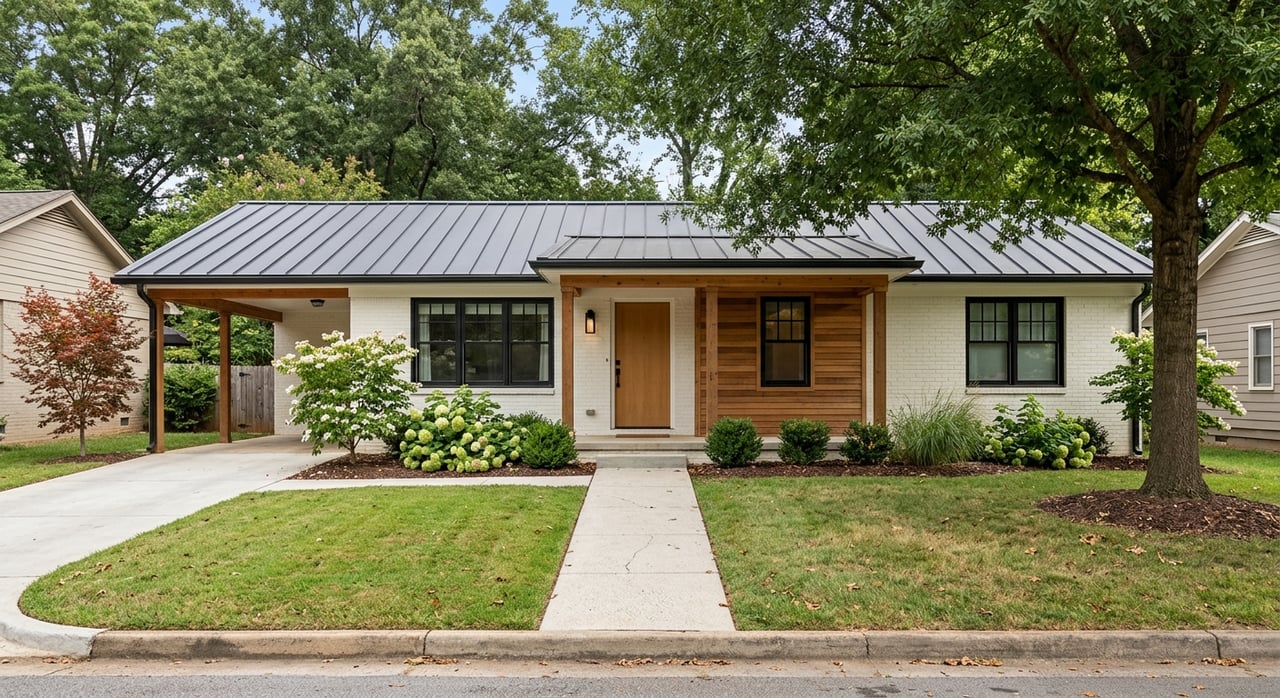
Housing in Red Bank leans strongly toward detached homes. The city’s zoning ordinance includes residential districts centered on single-family housing, which helps explain why so much of the city reads as a traditional neighborhood environment.
That does not mean every home looks the same. The zoning code also allows some variety, including smaller-lot options, patio-home development, and townhouse districts in certain areas. If you are looking for something other than a standard large-lot suburban layout, Red Bank may offer more flexibility than you might expect.
The lot pattern is also relatively compact by suburban standards. In some residential districts, the minimum lot size is 7,500 square feet, while the RZ-1 zero-lot-line and patio-home district allows much smaller lots. That mix supports a housing stock that can feel more established and varied rather than uniform.
From a market snapshot standpoint, the Census QuickFacts data report a median owner-occupied home value of $269,400, a median gross rent of $1,283, and 55.8% owner-occupied housing. Those numbers suggest a market with a meaningful homeowner base and a mix of ownership and rental opportunities.
What daily life feels like
One of Red Bank’s biggest strengths is that daily life can feel efficient. Because the city is compact and commercial activity is concentrated along a main corridor, you may be able to handle a lot of basic errands without a long drive.
The main commercial spine is Dayton Boulevard. The city’s business directory shows a broad mix of restaurants, coffee shops, salons, pet services, hardware, and specialty retail along that corridor. That kind of local concentration can make routine tasks feel easier and more predictable.
You still need to think of Red Bank as mostly car-oriented. The city’s Community Mobility Plan notes that Red Bank does not currently have fixed-route public transit service. At the same time, the city’s short trip patterns and proximity to Chattanooga help it feel well connected in practice.
Parks and recreation
If outdoor access matters to you, Red Bank has several public amenities that shape the lifestyle. The comprehensive plan identifies five parks in the city, including Red Bank City Park, Kids Corner Park, Norma Cagle Park, White Oak Park, and Stringers Ridge/Stringers Ridge Trailhead.
The Parks, Trails, and Recreation system also includes the White Oak Connector Trail, ball fields, a swimming pool, a community center, and the Traffic Garden. These are meaningful assets for a city of Red Bank’s size and help add activity beyond just residential living.
That said, park access is not perfectly even across the city. The comprehensive plan notes that park acreage is concentrated in certain areas and that many residents do not have easy pedestrian access. So if being close to a park or trail is high on your list, it is smart to look at location block by block.
Community events and civic life
Red Bank has a local, community-centered feel that goes beyond housing and commute times. The city hosts recurring events like S'mores & Sounds, a free event at Red Bank City Park, and the 2nd Saturday Morning Market, which adds to the neighborhood feel.
There are also smaller civic touches that matter. Red Bank supports a public art citizens advisory board, and the city offers residents access to no-cost Chattanooga Public Library cards through a local program described on the city’s community page. Those details can make a place feel more engaged and more connected to everyday residents.
The Traffic Garden is another example. Built with the White Oak Bicycle Co-op, it gives people a place to practice biking and pedestrian safety in a miniature street setting. It is the kind of amenity that adds personality to the city’s public spaces.
Commuting and getting around
For many buyers, Red Bank works best because of where it sits in relation to Chattanooga. Being about 5 miles from downtown can make work, dining, and entertainment feel accessible without requiring you to live in the center of everything.
Most trips are still drive-based. The city does not currently offer fixed-route transit, though CARTA’s Care-A-Van serves qualifying seniors and residents with disabilities within Red Bank and Chattanooga city limits, according to the mobility plan.
If you prefer highly walkable urban living with broad transit access, Red Bank may not check every box right now. But if your priority is practical access, shorter drives, and a location that keeps you close to Chattanooga, it can be a strong fit.
Everyday services to know about
Sometimes the most useful details are the least glamorous. Red Bank provides trash collection, and the city also has a recycling center and service information page that notes curbside recycling is not currently offered.
That may seem minor, but these details shape how easy a place is to live in over time. When I help buyers compare areas, I always encourage them to think beyond the house itself and pay attention to the systems and routines that affect everyday life.
Who Red Bank may appeal to
Red Bank can be a good match if you want:
- A location close to downtown Chattanooga
- Established residential streets with a strong detached-home presence
- Easy access to everyday businesses and services
- Local parks, trails, and community events
- A practical, connected feel rather than a far-flung suburban layout
It may be especially appealing if you value convenience and want to stay focused on both lifestyle and long-term numbers. A city with a stable housing base, moderate turnover, and ongoing planning work can be worth a closer look when you are thinking about both daily use and future value.
Final thoughts on living in Red Bank
Living in Red Bank, Tennessee often means trading long-distance sprawl for convenience, access, and an established neighborhood feel. It is a small city with a practical rhythm: detached homes, local businesses, public parks, and quick connections to Chattanooga all play a role in what daily life looks like.
If you are considering a move, the key is to look at Red Bank through the lens of your own priorities. Commute, housing style, access to parks, and day-to-day errands can all vary depending on where you land within the city. If you want help comparing Red Bank to nearby areas or evaluating whether a home fits your budget and long-term goals, connect with Listings by Lauren.
FAQs
What is the location of Red Bank, Tennessee compared to Chattanooga?
- Red Bank is about 5 miles north of downtown Chattanooga and is surrounded by Chattanooga city limits, which gives it a close-in inner-suburb feel.
What is the housing style like in Red Bank, Tennessee?
- Red Bank is largely oriented around detached single-family homes, though the zoning code also allows some smaller-lot, patio-home, and townhouse options in certain areas.
What is the commute like for people living in Red Bank, Tennessee?
- The U.S. Census reports a mean travel time to work of 18.9 minutes, and many residents benefit from Red Bank’s close proximity to Chattanooga.
What parks and recreation options are available in Red Bank, Tennessee?
- Red Bank has five parks and public amenities that include trails, ball fields, a swimming pool, a community center, and the Traffic Garden.
What is shopping and daily convenience like in Red Bank, Tennessee?
- Many businesses are concentrated along Dayton Boulevard, where you can find restaurants, coffee shops, hardware, pet services, salons, and specialty retail.
Is Red Bank, Tennessee walkable or transit-friendly?
- Red Bank is mostly car-oriented and does not currently have fixed-route public transit service, though qualifying seniors and residents with disabilities may use CARTA’s Care-A-Van service.
What should homebuyers consider before moving to Red Bank, Tennessee?
- You should look closely at location-specific factors like park access, commute patterns, housing style, and how close you want to be to Dayton Boulevard or Chattanooga.